

Table of Contents
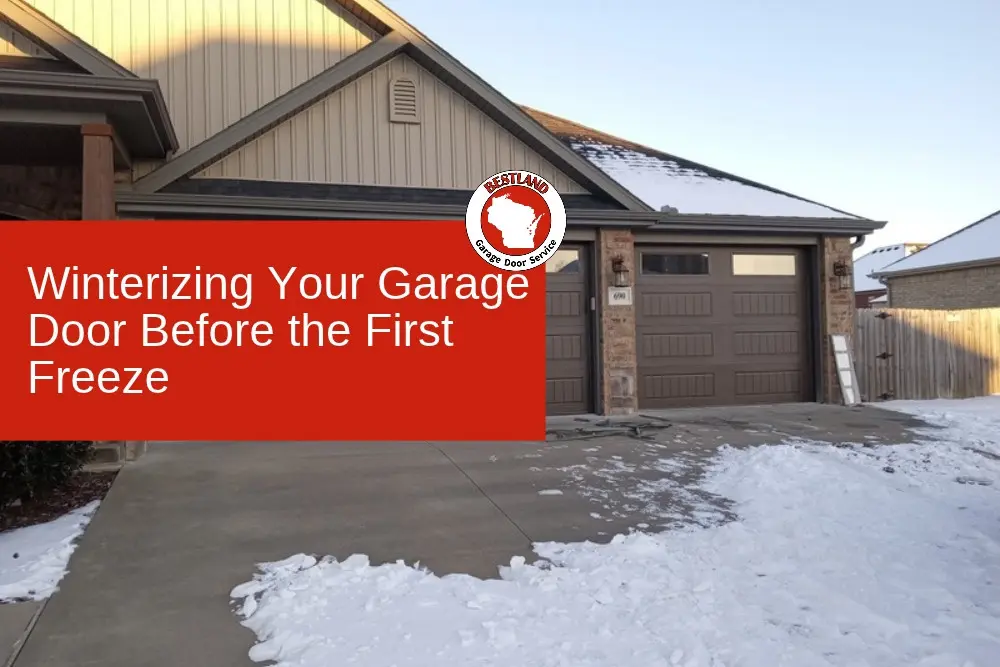
Winterizing Your Garage Door Before the First Freeze
Why Winterizing Before the First Freeze Matters
A garage door is one of the largest moving systems in your home, and winter asks every part of it to work under harsher conditions. In Northeast Wisconsin, a mild fall afternoon can quickly turn into freezing nights, blowing snow, and repeated freeze-thaw cycles. Cold changes how lubricants flow, how rubber seals flex, and how metal hardware reacts under tension. Preparing the system before the first deep freeze helps it move smoothly when you need it most.
Winterizing is also about preventing small issues from becoming inconvenient winter emergencies. A roller that is already dragging, a bottom seal with a small tear, or a spring that has begun losing strength may continue operating in October. Once temperatures drop, the extra resistance can strain the opener and make an existing weakness more obvious. A planned pre-winter garage door tune-up gives a technician time to inspect, adjust, and explain concerns before cold weather limits your options.
Homeowners in Green Bay, Appleton, and surrounding communities should pay attention to changes in sound, speed, balance, and sealing. You do not need to dismantle the door or adjust high-tension parts. The most useful approach is to clean the area, make safe visual checks, test basic safety features, and schedule professional help for anything that looks damaged or operates unevenly.
A little preparation also makes the garage more comfortable. Better perimeter sealing can reduce drafts, keep windblown snow out, and limit moisture around stored items. If the garage is attached to the home, reducing air movement around the door may also help nearby rooms feel less exposed to winter temperature swings.
Start With a Full Door and Opener Check
Begin with the door closed and the garage well lit. Look at the system as a whole before focusing on individual parts. The goal is to notice changes without touching springs, cables, drums, or bottom brackets. Those components may be under significant tension and should be handled only by a trained technician.
- Watch the door complete one full opening and closing cycle from a safe distance. Smooth travel is more important than speed. Jerking, hesitation, scraping, or an uneven section deserves attention before winter.
- Listen for new squeaks, grinding, popping, or rattling. A sound that repeats at the same place in the travel path may point to a roller, hinge, track, or opener issue.
- Check that the opener lights, wall control, remote controls, and manual release appear ready for normal use. Replace weak remote batteries before cold weather reduces their performance.
- Clear leaves, grit, salt, and stored items away from the tracks, photo eyes, and bottom of the opening. Debris can interfere with safe closing or hold moisture against metal parts.
If the door is crooked, unusually heavy, partly off track, or unable to remain in position when disconnected by a professional, stop using it. A garage door safety inspection can identify whether the concern involves balance, hardware, tracks, the opener, or the lifting system.
Inspect Weatherstripping and Keep Moisture Out
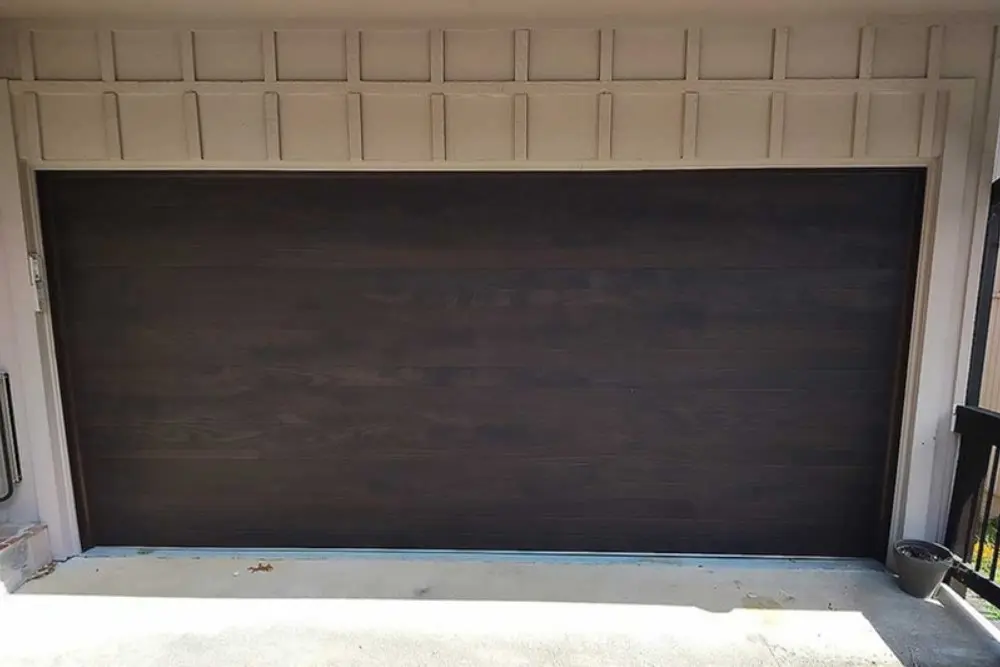
Weatherstripping does more than block cold air. The bottom seal, side seals, and top seal help keep out snow, rain, windblown debris, and pests. Close the door during daylight and look for visible light around the perimeter. Small gaps may indicate compressed rubber, a torn seal, an uneven floor, or a door that is no longer closing squarely.
Run a visual check along the bottom without placing fingers under the door. The seal should appear continuous and flexible rather than cracked, flattened, or missing in sections. Side and top seals should contact the door without folding sharply or pulling away from the frame. If the material is stiff now, it may seal even less effectively after temperatures fall.
Keep the threshold and lower door sections clean. Packed leaves can trap moisture, and wet debris can freeze beneath the seal. Ice at the bottom can make the door appear stuck. Do not repeatedly press the opener or try to force the door free. Clear loose snow, use safe methods to address ice around the threshold, and avoid tools that could cut the seal or damage the panel finish.
A technician can determine whether a sealing problem is caused by worn weatherstripping or by alignment, track, panel, or floor conditions. Replacing a seal without correcting an uneven door may leave the same gap. A complete inspection helps protect the new material and improves the chance of an even seal across the opening.
Use Cold-Weather Lubrication and Tighten Hardware
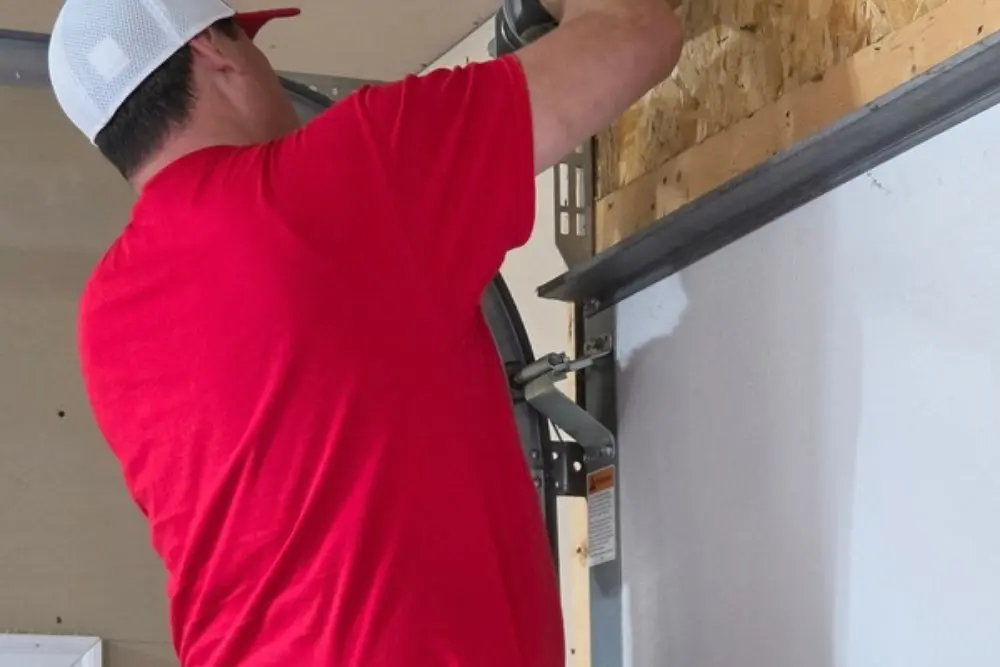
The correct lubricant can reduce friction and help hinges, rollers, bearings, and springs move more consistently. General household products are not always suitable because some displace moisture without providing lasting lubrication. Thick grease can also collect grit or become sluggish in cold weather. Use a garage-door-specific product approved for the system, and follow manufacturer directions.
- Wipe dirt and old residue from accessible hinge pivot points before applying a small amount of lubricant. Avoid overapplication, which can drip onto panels or the garage floor.
- Lubricate approved roller bearings when the roller design allows it, but do not coat nylon wheel surfaces or the inside of the tracks. Tracks should stay clean rather than greasy.
- Inspect visible hinge and track fasteners for looseness. Do not adjust bolts connected to springs, cables, bottom brackets, or the torsion assembly.
- Open and close the door once after safe maintenance to distribute lubricant and listen for any remaining grinding, binding, or popping that needs professional diagnosis.
Cold-weather maintenance should never include winding springs, changing cable tension, bending tracks, or adjusting opener force to overcome a mechanical problem. Increasing force may hide resistance while placing more stress on the door and opener. If basic cleaning and approved lubrication do not improve operation, schedule service instead of forcing the system.
Check Springs Cables Balance and Safety Systems
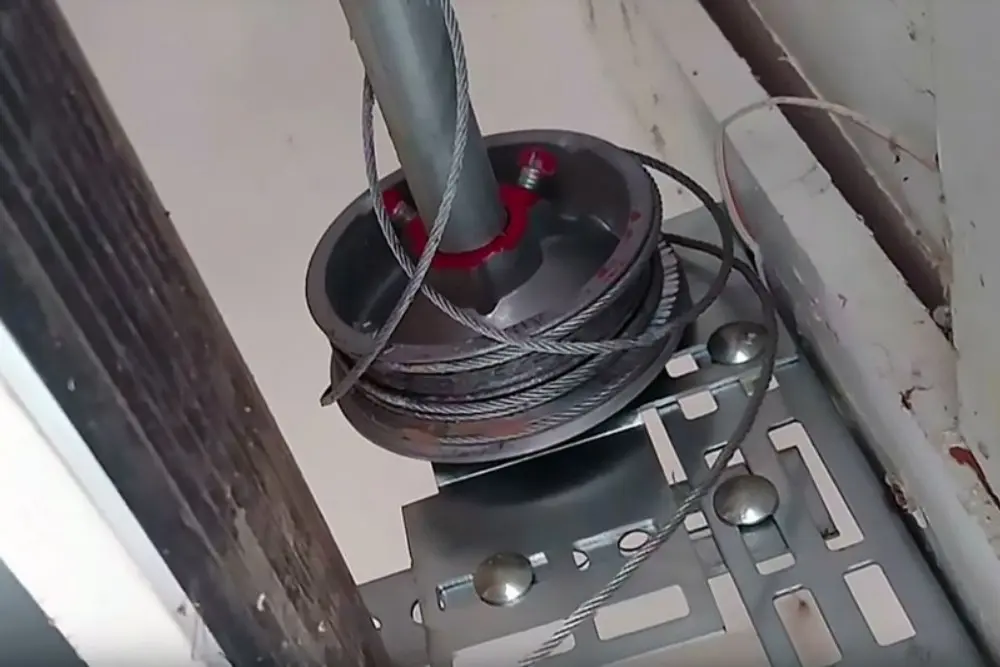
Springs and cables make a heavy garage door manageable. They also store or control significant energy. Cold does not automatically break a healthy spring, but temperature changes can reveal fatigue in a part that has already completed many cycles. A visible gap in a torsion spring, frayed cable strands, rust, uneven cable tension, or a door that rises crookedly are reasons to stop operation.
- Look from a safe distance for visible separation in a spring coil, cable damage near the drums or bottom brackets, and a door that sits lower on one side.
- Test the photo eyes using the opener manufacturer’s approved procedure. They should be aligned, clean, securely mounted, and able to stop or reverse the closing door when the beam is interrupted.
- Use a suitable object and the manufacturer’s instructions to test automatic reversal at the floor. Never stand beneath the door or use a person or pet as the test object.
- Ask a technician to check door balance, opener limits, force settings, spring condition, cable travel, and manual release operation during the seasonal visit.
A failing spring can make the opener sound strained or leave the door unable to lift normally. Repeatedly activating the opener may damage the motor or cause unsafe movement. Bestlands garage door spring repair team can inspect the lifting system and replace worn components with the correct parts and procedures.
Safety testing matters throughout the year, but it is especially useful before winter, when a stuck or malfunctioning door can disrupt daily routines. Families often rely on the garage as a primary entrance. Confirming that the door closes securely, reverses when required, and releases properly helps the system remain dependable during cold mornings and snowy evenings.
Winter Garage Door FAQs
Can cold weather make my garage door stop working?
Yes. Cold can thicken unsuitable lubricant, reduce battery performance, stiffen seals, and make existing wear more noticeable. Ice or packed snow can also hold the bottom seal to the floor. If the door strains, moves unevenly, or will not lift, stop using it until the cause is identified.
Should I lubricate my garage door before winter?
Pre-winter lubrication is helpful when you use the correct garage-door-specific product on approved components. Clean accessible pivot points first, apply only a small amount, and keep tracks and photo eyes free of lubricant. Leave springs, cables, and tension adjustments to a professional.
How do I know if the bottom seal needs replacement?
Look for daylight, drafts, flattened sections, cracks, tears, or areas where snow and water enter. A damaged seal may need replacement, but an uneven door or floor can create similar gaps. A technician can determine whether the seal or another alignment issue is responsible.
Why is my garage door louder in winter?
Metal contraction, stiff seals, dry bearings, worn rollers, loose hardware, and thicker lubricant can all change the sound of the system. New grinding, popping, or banging should be inspected, especially when it appears with jerking, uneven travel, or a door that feels unusually heavy.
When should I schedule winter garage door service?
Schedule service before consistent freezing temperatures arrive, especially if the door already sticks, rattles, seals poorly, or has not been inspected recently. Early scheduling provides time to address wear before snow, ice, and holiday routines make an unexpected breakdown more disruptive.
Schedule a Pre-Winter Tune-Up With Bestland
Winter preparation is most effective when it combines safe homeowner care with a professional inspection. Clean debris, check visible seals, replace weak remote batteries, and watch one complete operating cycle. Then let a technician evaluate balance, springs, cables, rollers, hinges, tracks, opener settings, photo eyes, and automatic reversal.
Bestland Garage Door Service helps homeowners across Green Bay, Appleton, and Northeast Wisconsin prepare their garage doors for freezing temperatures. The technician can explain which parts are in good condition, which maintenance items should be completed now, and which repairs may prevent a colder-weather failure. Homeowners looking for local support can review Bestlands Green Bay garage door service information before scheduling.
Get ahead of winter weather. Contact Bestland Garage Door Service to schedule your pre-winter tune-up. A well-prepared door should move smoothly, seal evenly, respond to safety controls, and operate without forcing the opener to compensate for hidden resistance.
Do not settle for the rest. Work with the BEST at Bestland Garage Door Service.
Related Posts

See What Our Customers Have to Say About Our Service
See What Our Customers Have to Say About Our Service
REQUEST A CALLBACK
Need Repair Service or New Door?
Complete the form, and one of our team members will promptly reach out to schedule your appointment.