
Table of Contents
Why a Garage Door Maintenance Checklist Matters
A garage door is one of the largest moving systems in your home, yet it often receives little attention when it seems to work normally. Many problems begin quietly. A roller starts to drag, a cable begins to fray, or the door slowly loses balance. By the time the problem becomes obvious, several parts may already be under strain.
A regular garage door maintenance checklist helps Green Bay and Appleton homeowners notice those small changes before they lead to a noisy door, damaged opener, or unexpected service call. Maintenance does not mean taking apart springs or adjusting high tension parts. It means watching, listening, cleaning, and handling a few safe tasks while leaving dangerous work to a trained garage door technician.
Northeast Wisconsin weather makes routine care especially important. Humidity, summer storms, road salt, freezing temperatures, and repeated freeze and thaw cycles all affect metal components, seals, tracks, and lubricants. A door that worked smoothly in June may feel different by November. A simple inspection every month, plus a professional garage door tune-up once a year, can help the system operate more safely and last longer.
From lubricating rollers to checking balance, our garage door tune-up service covers every item homeowners should check regularly. The goal is not to turn you into a repair technician. It is to help you understand what normal operation looks and sounds like, so you know when it is time to call Bestland Garage Door Service.
Monthly Garage Door Maintenance Checklist for Homeowners
Set aside a few minutes each month to observe the door through one complete opening and closing cycle. Stand inside the garage where you can see the tracks, rollers, springs, cables, and opener. Keep children and pets away while the door is moving. Do not touch any moving component during the test.
- Watch the door move from the floor to the fully open position. It should rise evenly without shaking, jerking, or leaning to one side. Uneven movement may point to roller, cable, track, or balance problems that need professional attention.
- Listen for new sounds. A healthy garage door is not silent, but grinding, scraping, popping, or repeated squeaking should not be ignored. New noise often appears before a part fails completely.
- Look at the tracks from a safe distance. They should appear straight, firmly attached, and free of heavy debris. Do not loosen track brackets or try to bend a track back into position. Those adjustments affect alignment and should be handled by a technician.
- Check the bottom seal and perimeter weatherstripping. Look for cracks, gaps, brittle sections, or areas pulling away from the door. Damaged seals can allow water, insects, snow, and cold air into the garage.
- Inspect visible hardware. Look for loose hinges, missing fasteners, rust, or metal shavings near moving parts. You may tighten an obviously loose hinge screw if it is easy to reach and not connected to a spring, cable, or track bracket. Leave all high tension hardware alone.
- Confirm that the opener light, wall control, remote controls, and keypad respond normally. Slow response, intermittent operation, or unexpected reversing may be an early sign that the opener or safety system needs service.
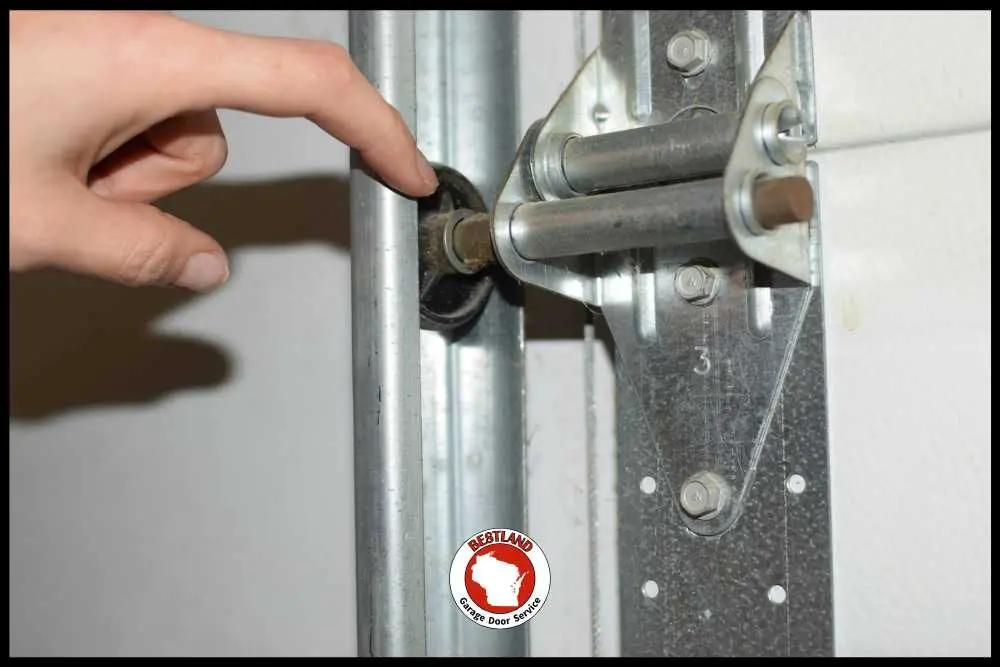
Worn or noisy rollers are one of the most common findings during a routine check. Our roller repair service can replace them quickly when they begin to bind, wobble, or make excessive noise.
Garage Door Tune-Up Checklist for Moving Parts
Lubrication can reduce friction and noise, but using the wrong product or applying too much can create a sticky surface that collects dirt. Use a garage door lubricant or silicone based product recommended for moving garage door parts. Avoid heavy grease on tracks and avoid spraying any product near electrical components or photo eye lenses.
- Apply a small amount of lubricant to metal roller bearings, hinge pivot points, and the torsion spring coil when the product label allows it. Nylon rollers without exposed bearings usually do not need lubricant on the wheel itself.
- Wipe away excess lubricant with a clean cloth. More is not better. A light coating is usually enough to reduce friction without attracting dust and grit.
- Clean the inside of the tracks with a dry cloth or soft brush. The tracks guide the rollers, but they should not be coated with grease. Remove leaves, cobwebs, and loose debris without moving or adjusting the track.
- Inspect the lift cables visually from several feet away. Look for rust, fraying, loose strands, or a cable that appears different from the one on the opposite side. Cables under tension should also be inspected regularly. See our cable repair page for warning signs to watch for.
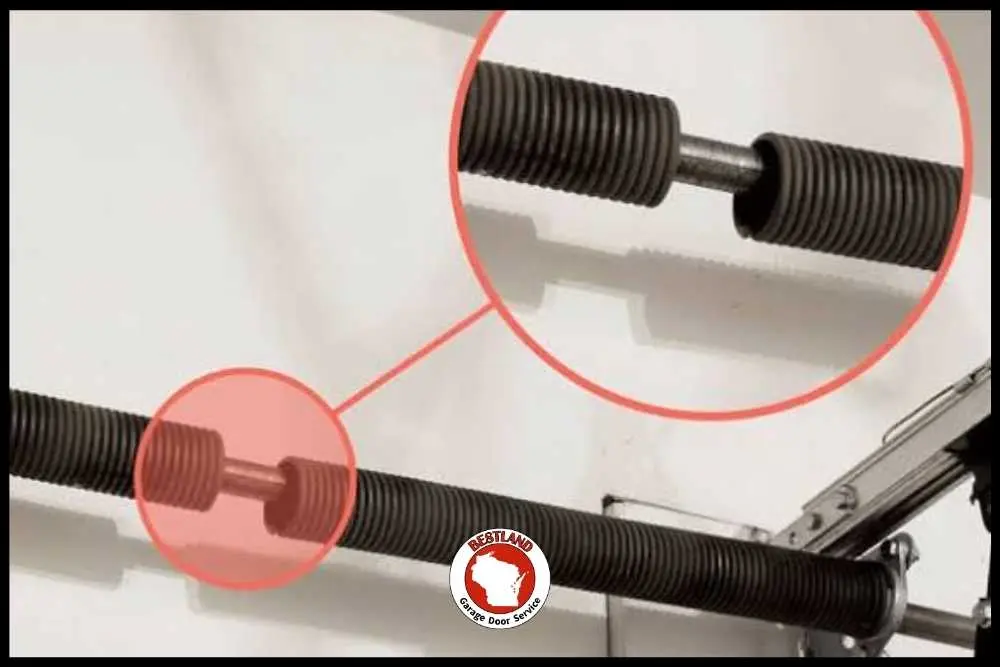
- Look at the springs without touching them. A visible gap in a torsion spring, stretched coils, rust, or a spring that appears uneven requires professional service. Never attempt to tighten, unwind, or replace a garage door spring yourself.
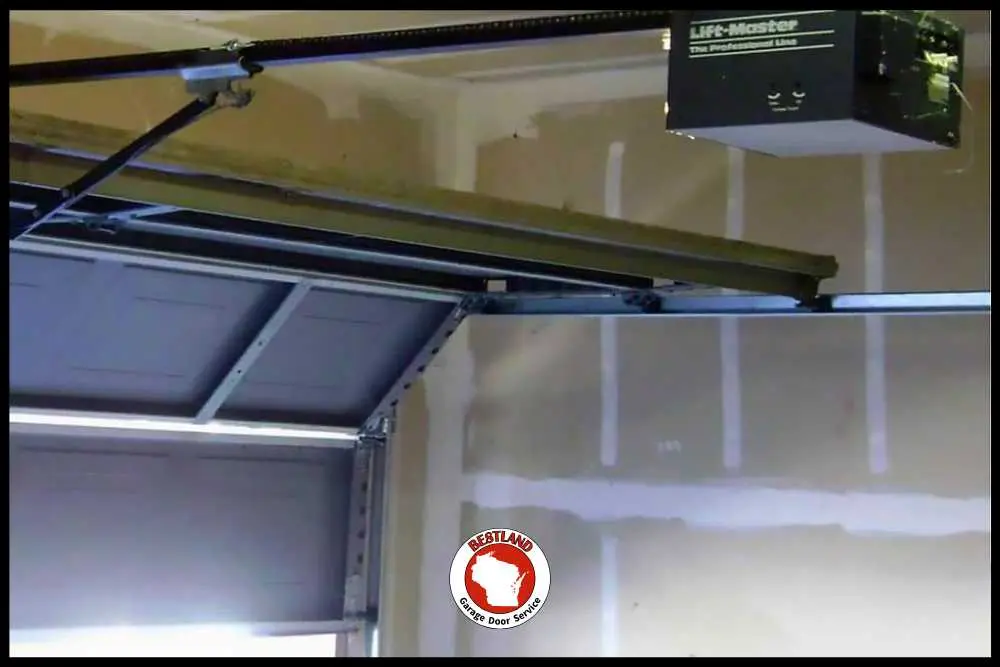
- Check the opener rail and chain or belt for obvious sagging, damage, or unusual movement. Do not adjust the opener force or travel settings unless you understand the manufacturer’s instructions. Incorrect settings can affect safe reversing.
If lubrication does not reduce noise or the door still moves unevenly, stop the inspection and schedule service. Continued operation can increase wear on the opener, tracks, and other connected parts.
Garage Door Maintenance Checks for Balance, Opener, and Sensors
The balance test is one of the most useful items on a garage door maintenance checklist, but it must be done carefully. Close the door fully and disconnect the opener using the emergency release only when the door is down and stable. Lift the door manually to about waist height, then release it gently while keeping your hands clear.
A properly balanced door should stay close to that position. If it drops quickly, rises on its own, feels extremely heavy, or cannot be moved smoothly, reconnect the opener only after lowering the door carefully. Do not keep testing it. An unbalanced door places extra load on the opener and often points to a spring issue that requires a garage door technician.
Next, test the photo eye sensors. Clean each lens with a soft, dry cloth and make sure both sensors face each other. Start closing the door, then pass a broom through the beam without standing under the door. The door should stop and reverse. If it does not, stop using the opener until the safety system is inspected.
You should also test the automatic reverse function with the method recommended by the opener manufacturer. Many systems can be checked by placing a flat piece of wood on the floor beneath the door. When the door contacts the object, it should reverse promptly. If it continues pressing downward, the opener may need adjustment or repair.
A full safety inspection from our technicians covers everything on this checklist in one visit. Bestland technicians can check balance, spring tension, cables, rollers, hinges, tracks, sensors, opener travel, and reversing performance without putting the homeowner at risk.
Seasonal Garage Door Maintenance Checklist for Wisconsin
Garage door maintenance should reflect the season. Green Bay and Appleton homes deal with moisture, wind, temperature swings, ice, and road salt. A quick seasonal check can prevent weather related wear from becoming a larger repair.
- In spring, clean winter salt and grime from the lower door panels, tracks, and hardware with a damp cloth, then dry the surfaces. Look for rust, water damage, cracked seals, and loose hardware caused by winter movement.
- In summer, watch for swelling, sticking, or track misalignment during humid weather. Storms can also damage panels, seals, and electronics. After severe weather, inspect the exterior for dents and check that the opener responds normally.
- In fall, clear leaves and debris near the threshold and tracks. Inspect weatherstripping before temperatures drop. This is also a good time to schedule a garage door tune-up before winter puts more stress on springs, rollers, and the opener.
- In winter, keep snow and ice away from the bottom seal. Do not force the door open if it is frozen to the ground. Clear the area carefully and allow ice to release before operating the door. Forcing it can damage the seal, opener, or door sections.
- Throughout the year, keep stored items away from tracks, sensors, springs, and cables. Boxes, tools, and sports equipment can block the safety beam or interfere with moving parts.
Garage Door Maintenance Checklist FAQs
How often should I use a garage door maintenance checklist?
A quick visual and listening check once a month is a good routine. Lubrication may be needed only a few times per year, depending on the product and usage. A professional garage door tune-up should usually be scheduled annually, or more often for a heavily used door.
Can I perform garage door maintenance myself?
Homeowners can watch the door operate, clean sensor lenses, remove loose debris, inspect seals, and apply approved lubricant to accessible parts. Spring adjustment, cable work, track alignment, roller replacement, and opener force changes belong to a trained technician because these parts can move suddenly or remain under tension.
What signs mean I should stop using the garage door?
Stop operating the door if you see a broken spring, frayed or loose cable, roller leaving the track, bent track, hanging panel, or door that is crooked or unusually heavy. You should also stop if the safety sensors or automatic reverse feature fail. Secure the area, keep people away, and call for garage door repair rather than attempting another cycle.
Why does my garage door still make noise after lubrication?
Lubrication cannot correct worn bearings, damaged rollers, loose track hardware, poor balance, or opener problems. If noise continues after a light, proper application, the sound may be identifying a part that needs repair or replacement. Grinding, scraping, and popping deserve prompt attention because continued use can spread wear to other components.
How long does a professional garage door tune-up take?
Many tune-ups are completed in one visit, often within about an hour, though timing depends on the door and any problems found. The technician should inspect the system, test safety features, make safe adjustments, lubricate appropriate parts, and explain any recommended repairs without pressuring you to replace working components.
Schedule a Garage Door Tune-Up with Bestland
A checklist is useful because it gives you a repeatable way to notice changes. It does not replace professional training, proper tools, or the ability to work safely around springs and cables. When something looks uneven, sounds different, or fails a safety test, the right next step is to stop using the door and have it inspected.
Ready to check every item off your maintenance list? Contact Bestland Garage Door Service to schedule your tune-up. Our local technicians serve Green Bay, Appleton, and communities across Northeast Wisconsin. We provide honest recommendations, reliable workmanship, and clear explanations so you understand what your garage door needs.
Regular maintenance can help prevent emergency repairs, support quieter operation, and protect the opener from unnecessary strain. It also gives you confidence that the largest moving system in your home is operating as safely as possible.
Don’t settle for the rest. Work with the BEST at Bestland Garage Door Service.
Related Posts

See What Our Customers Have to Say About Our Service
See What Our Customers Have to Say About Our Service
REQUEST A CALLBACK
Need Repair Service or New Door?
Complete the form, and one of our team members will promptly reach out to schedule your appointment.