Table of Contents
DIY vs. Professional Garage Door Repair Starts With Safety
A garage door can look simple from the driveway, but it is a heavy moving system built around springs, cables, rollers, tracks, hinges, and an opener that all work together. That is why the line between a reasonable DIY task and a professional garage door repair is important. Some homeowner maintenance is safe and useful. Other repairs involve stored tension, heavy panels, or alignment issues that can create serious injury risks if handled incorrectly.
For homeowners in Green Bay, Appleton, and across Northeast Wisconsin, the best approach is not to avoid every small task. It is to know which jobs are routine care and which ones should be left to a trained garage door technician. Cleaning sensor lenses, clearing debris, or lightly lubricating certain moving parts can be appropriate. Replacing springs, cables, or off track components is different because those parts can move suddenly and carry significant force.
A safe decision also protects the door itself. An adjustment that seems minor can change balance, travel, or alignment and create extra strain on the opener. If a repair affects how the door carries weight or stays on its tracks, professional tools and experience are usually worth it.
Bestland Garage Door Service helps local homeowners sort out that difference every day. The goal is not to make a service call out of every squeak. It is to prevent a small problem from becoming a damaged door, failed opener, or unsafe repair attempt.
Garage Door Repair Tasks Most Homeowners Can Handle
There are several simple jobs that can be part of normal garage door care. These tasks do not require disassembling the lifting system or changing spring tension, and they can help you notice when the door needs professional attention.
- Clear loose debris from the tracks and threshold. Leaves, dirt, cobwebs, and small stones can collect around the door opening. Use a dry cloth or soft brush to remove loose material. Do not loosen track brackets or try to bend a track back into shape.
- Clean the photo eye sensors. Wipe each lens gently with a clean, dry cloth and make sure stored items are not blocking the beam. If the sensors appear out of alignment or the door will not close reliably, stop there rather than forcing the opener.
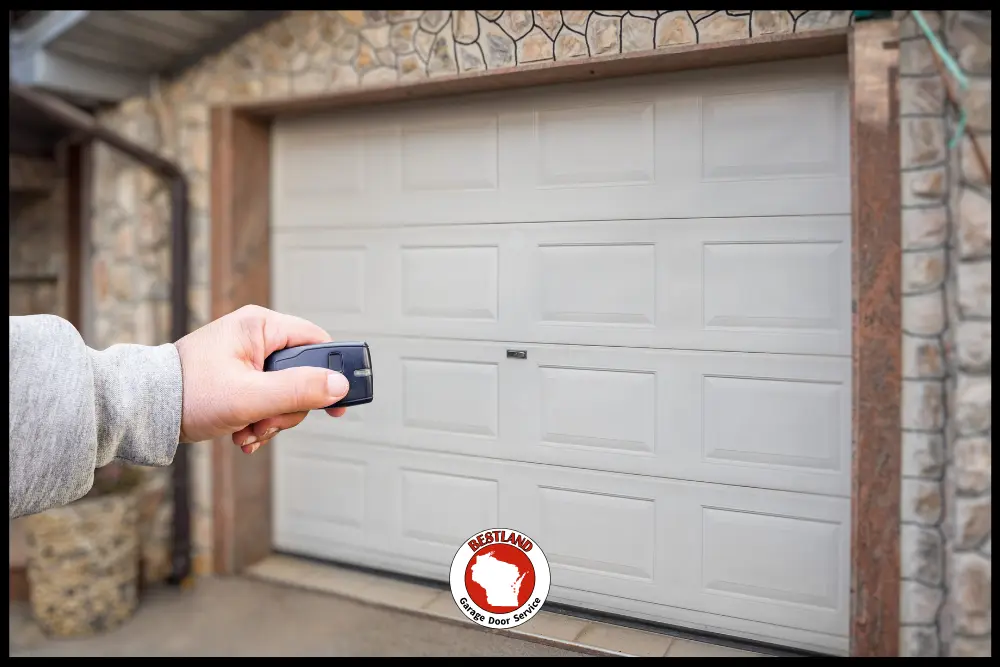
- Replace remote and keypad batteries. A weak battery can create intermittent operation that looks like an opener problem. Swapping batteries is a quick way to rule out one simple cause before scheduling service.
- Apply approved garage door lubricant to accessible hinge pivot points and appropriate roller bearings. Use a light coating and follow the product instructions. Do not grease the tracks, and do not spray electrical parts, sensor lenses, or high tension components.
- Watch and listen to the door through a full cycle. Note new grinding, scraping, popping, wobbling, jerking, or uneven movement. Observation is one of the safest and most useful DIY steps because it gives a technician better information if service is needed.
Simple tasks like lubricating hinges or clearing track debris are safe for most homeowners to handle on their own. The key is to stop when the job moves beyond cleaning, observation, or basic maintenance.
Professional Garage Door Repair for Springs, Cables, and Tracks
Some garage door parts should not be repaired by homeowners because they are under tension or directly responsible for supporting the door’s weight. These are the jobs where professional garage door repair is the safer choice, even for someone who is comfortable with general home projects.
- Garage door springs should always be treated as high tension components. A spring may look like a simple coil, but it stores enough energy to lift a heavy door. Spring and cable work, on the other hand, involves serious tension and should always be left to professionals; see our garage door spring repair page for why.
- Lift cables can fray, slip, or snap, and they work closely with the spring system. Replacing or resetting a cable can cause sudden movement if the door is not secured correctly. A technician can safely relieve tension, inspect related parts, and restore balance.
- An off track door requires more than pushing a roller back into place. A door that’s come off its tracks also requires professional tools and training; our off track door repair team handles this safely. Tracks may be bent, rollers may be damaged, or cable tension may be uneven.
- Bent panels and damaged hinges can change the way the door moves. A panel that looks cosmetic may actually be affecting alignment or placing extra load on rollers and tracks. A technician can determine whether the panel can be repaired or should be replaced.
- Opener force, travel limits, and door balance should be diagnosed together. Increasing opener force to overcome a heavy or sticking door can hide the real mechanical problem and create a safety issue. The door should move properly before the opener is asked to compensate.
When these components are involved, the cost of professional service is also the cost of avoiding unnecessary damage. A trained garage door technician can inspect the whole system and make the repair without creating new problems elsewhere.
Garage Door Safety Warning Signs That Mean Stop
Knowing when to stop using the door is just as important as knowing what you can do yourself. A garage door that is showing clear mechanical or safety problems should not be cycled repeatedly while you try to diagnose it.
Stop operating the door if you see a broken spring, frayed or loose cable, roller outside the track, crooked door, bent track, or panel that appears to be separating. You should also stop if the door feels dramatically heavier than normal, drops quickly when moving, or rises unevenly from one side.
Pay attention to the safety system as well. If the photo eyes do not stop and reverse the door when the beam is interrupted, or if the automatic reverse test fails, do not continue using the opener. The door may still move, but the safety feature is not doing its job.
Grinding, loud popping, scraping, or a sudden change in operation can also justify a service call. Some noises are minor, but a new sound combined with jerking or uneven movement often means a part is wearing, loose, or misaligned.
When in doubt, a professional safety inspection can tell you exactly what’s safe to DIY and what isn’t. Bestland technicians can check springs, cables, rollers, tracks, balance, sensors, opener settings, and other components so you are not guessing about the condition of the system.
What a Garage Door Technician Checks During a Professional Repair
A professional repair should be more than replacing the first broken part you can see. Garage door components affect one another, so a good technician looks at the system before deciding what needs to be adjusted, repaired, or replaced.
- The technician starts by identifying the actual cause of the problem. A noisy door might have worn rollers, loose hardware, poor balance, or track alignment issues. A door that will not open may have a spring problem rather than an opener failure.
- The door is secured before high tension work begins. Springs, cables, and heavy panels require controlled procedures so the system cannot move unexpectedly during the repair.
- Related components are inspected while the repair is underway. If a cable has failed, the technician should also look at springs, drums, rollers, and balance. If a roller has come off track, the track and hinges should be checked for damage.
- The repaired door is tested through multiple cycles. A technician checks for smooth travel, even movement, proper balance, normal opener response, and functioning safety sensors before the job is considered complete.
- You should receive a clear explanation of what was repaired and what can wait. Bestland focuses on practical recommendations so homeowners understand the difference between an immediate safety issue, routine maintenance, and a future improvement.
That process matters because garage door repair is not just about getting the door moving again. It is about restoring safe, predictable operation and reducing the chance that another connected component fails shortly afterward.
DIY vs. Professional Garage Door Repair FAQs
Can I replace a garage door spring myself?
No. Garage door springs are high tension parts that can release energy suddenly and cause serious injury or property damage. Spring replacement also affects door balance and cable tension. A professional garage door technician has the tools and procedures needed to secure the door, replace the spring, and test the system safely.
Is it safe to put a garage door roller back on the track?
If a roller has left the track, do not force it back into place. The door may be crooked, the track may be bent, or a cable may have lost tension. Moving the door can make the problem worse. Keep people away from the area and schedule professional off track door repair.
What garage door repairs are reasonable DIY projects?
Basic cleaning, removing loose debris, replacing remote batteries, wiping sensor lenses, and applying approved lubricant to accessible moving parts are reasonable homeowner tasks. Visual inspection and listening for changes are also useful. Avoid anything involving springs, cables, track brackets, heavy panels, or major opener adjustments.
Why should I call a technician if the opener still runs?
An opener can run even when the door has a mechanical problem. A broken spring, poor balance, damaged roller, or cable issue can make the opener work much harder than it should. Continuing to operate the system may damage the motor or other parts. The door’s mechanical condition should be checked first.
How do I know whether a garage door repair can wait?
Cosmetic wear may be able to wait, but safety and movement problems should be handled promptly. Broken springs, damaged cables, off track rollers, failed sensors, crooked movement, or a very heavy door should not be delayed. If you are unsure, a professional inspection can help you prioritize the repair.
Call Bestland for Professional Garage Door Repair in Green Bay and Appleton
DIY maintenance has a useful place in garage door care, but there is no benefit to taking on a repair that involves tension, weight, or uncertain alignment. The safest choice is to handle the simple items yourself and call a professional when the system shows signs of mechanical trouble.
Not sure if your repair is a DIY job? Contact Bestland Garage Door Service for expert advice and fast service. Our technicians serve Green Bay, Appleton, De Pere, Neenah, Menasha, Kaukauna, and communities throughout Northeast Wisconsin.
We can inspect the problem, explain what is safe, and repair the parts that require professional tools and training. You will know what needs attention now and what can be monitored over time, without pressure to replace parts that are still doing their job.
Don’t settle for the rest. Work with the BEST at Bestland Garage Door Service.
Related Posts

See What Our Customers Have to Say About Our Service
See What Our Customers Have to Say About Our Service
REQUEST A CALLBACK
Need Repair Service or New Door?
Complete the form, and one of our team members will promptly reach out to schedule your appointment.