Table of Contents
Understanding Garage Door Roller Types
Garage door rollers are small parts with a large job. Every time the door moves, they travel through the tracks while supporting controlled motion. Worn rollers may cause extra noise, vibration, uneven movement, or a door that hesitates along the track.
Homeowners in Green Bay and Appleton often notice the opener or springs first, but worn rollers affect the whole system. A rough roller adds resistance, makes the opener work harder, and places stress on hinges, tracks, cables, and brackets. A relatively small part can contribute to a larger garage door repair.
Garage door roller types differ in material, bearings, expected life, noise, and cost. Basic rollers may wear quickly on a busy door, while higher quality rollers can provide quieter movement and longer service. The right choice depends on door weight, track size, daily use, and homeowner priorities.
Nylon, steel, and plastic rollers each wear differently, and our garage door roller repair page breaks down the pros and cons of each. Understanding those differences can help you recognize what is installed on your door and know when it may be time to schedule service.
Comparing the Main Garage Door Roller Types
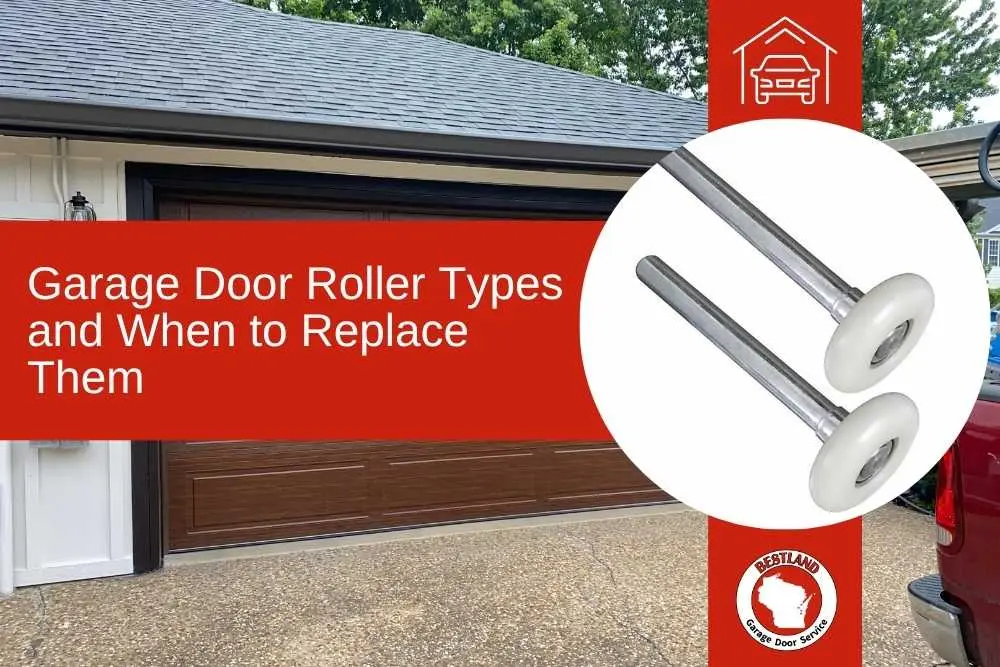
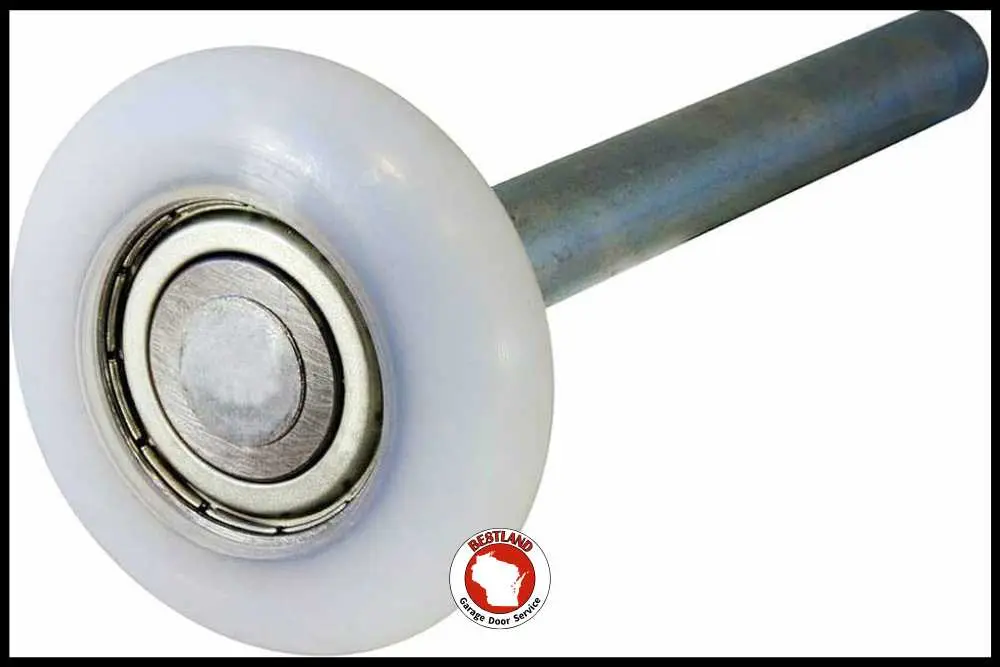
The common garage door roller types are plastic, steel, and nylon. Their performance and service life differ. Bearings also matter because they help the wheel turn smoothly under load. A quality bearing roller usually moves more quietly and with less friction than a basic roller without bearings.
- Plastic rollers are commonly found on basic or builder grade doors. They are inexpensive and may work adequately for a lightly used garage, but they usually have no ball bearings. Plastic can become brittle, crack, flatten, or wobble with age. Wisconsin temperature changes may speed up that wear, especially when the garage is not insulated.
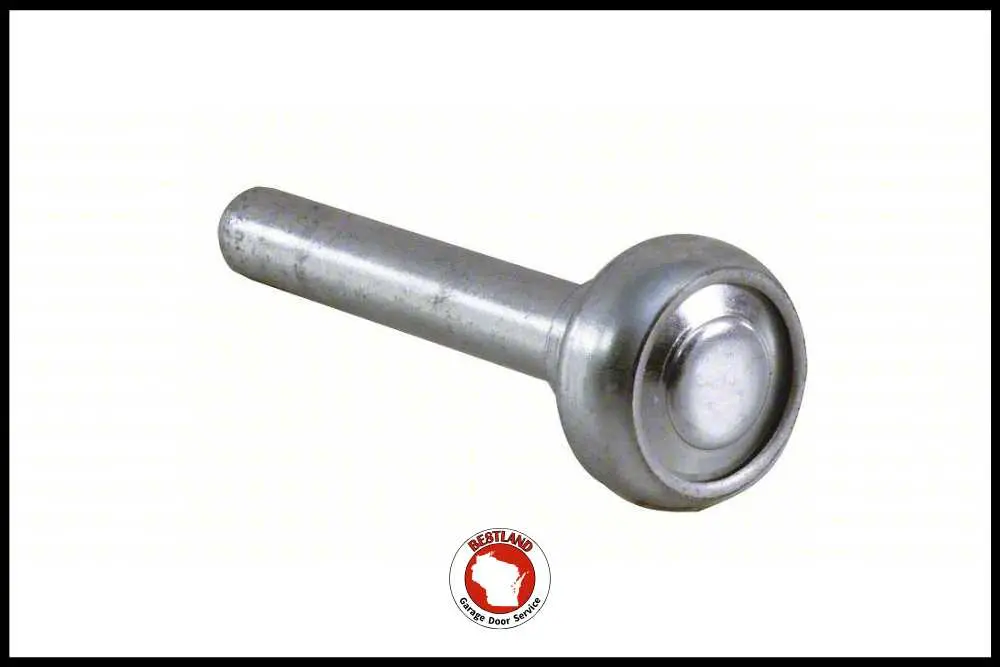
- Steel rollers are strong and can handle heavier doors. They are often durable, but they can be louder than nylon rollers because metal moves against the metal track. Steel rollers with sealed bearings can perform well for years, while older steel rollers without good bearings may squeak, rattle, or develop play at the stem.
- Nylon rollers are a popular upgrade for homeowners who want quieter operation. Quality nylon rollers with sealed bearings reduce metal contact and often move smoothly through the track. They generally cost more than basic plastic rollers, but the quieter movement and longer expected life can make them a practical choice for attached garages.
- Bearing design should be considered along with material. Some rollers have no bearings, while others may have seven, ten, or more. More bearings do not automatically guarantee quality, but a well made sealed bearing roller is usually smoother and better protected from dirt than an open, low cost design.
- Stem length and wheel diameter must match the door and track. Garage door rollers may look interchangeable, but the wrong size can bind, wobble, or place the door in an unsafe position. A garage door technician should confirm the correct roller before replacement.
The best roller is not always the most expensive one. It is the roller that fits the door, supports the expected number of cycles, and matches the homeowner’s goals for noise and maintenance.
Signs You May Need Garage Door Roller Repair
Rollers usually wear gradually, so the door may still open and close while the problem develops. That can make it tempting to ignore early symptoms. A monthly visual check and listening test can help you catch wear before a roller breaks or leaves the track.
- Grinding or squeaking is often the first sign rollers need attention. Learn more on our noisy garage door page. A dry bearing, worn wheel, bent stem, or damaged track can all produce noise, and lubrication will not fix every cause.
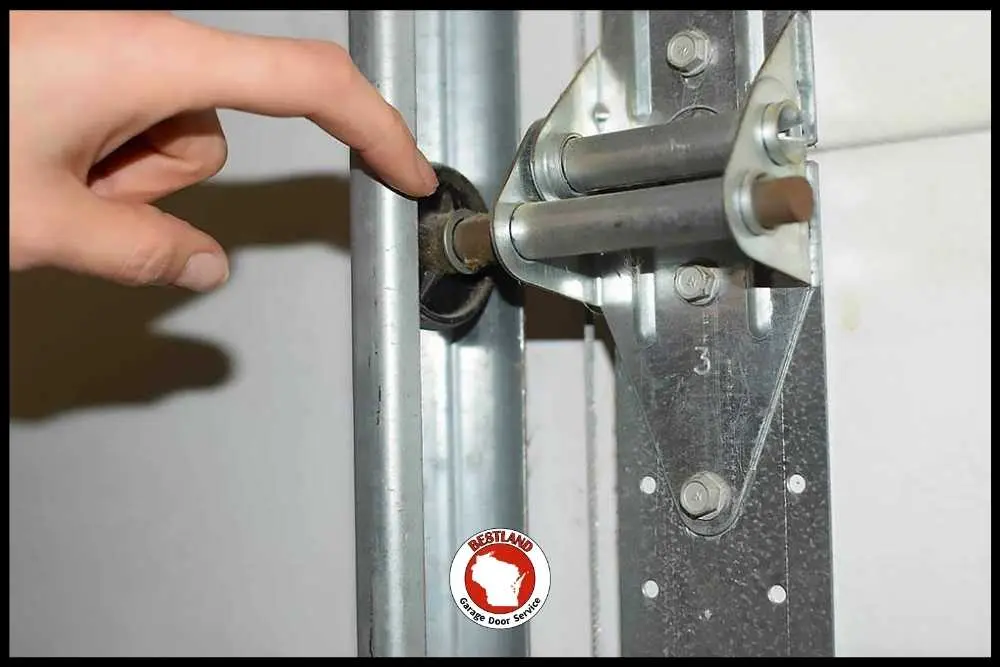
- Visible wobbling means the roller is no longer moving cleanly through the track. Watch from a safe distance while the door operates. A wheel that tilts, shakes, or moves side to side may have a worn bearing or damaged stem.
- Cracks, chips, or flat spots are common on aging plastic and nylon rollers. A flat section may cause a repeating thump as the wheel turns. Cracked material can fail suddenly and allow the roller to shift out of position.
- Rust or metal dust near a steel roller may indicate bearing wear or friction. Surface rust does not always require immediate replacement, but heavy corrosion, rough rotation, or loose movement should be inspected.
- A door that jerks or hesitates may be meeting resistance at one or more rollers. The opener can sometimes pull through the problem, but continued use increases load on the opener and other hardware.
- A roller that has left the track is an immediate safety concern. Worn rollers can also pull a door off its tracks. Our off track door repair team can fix this quickly and safely. Stop operating the door and keep people away until it is inspected.
Never place your fingers near a roller or track while the door is connected to the opener. Do not remove hinges or roller brackets on your own. Some brackets are connected to cables or other high tension parts, and the door can shift unexpectedly.
How Garage Door Rollers Affect the Rest of the System
A garage door works as one connected system. When a roller becomes difficult to turn, the opener must overcome extra drag. The motor may run longer, sound strained, or stop early. What looks like an opener problem may actually be mechanical resistance at the rollers or tracks.
Worn rollers can also damage tracks. A wheel that wobbles may rub against the track edge, loosen brackets, or create a rough spot that affects every other roller. If the door begins leaning or moving unevenly, the cables and springs may no longer share the load as intended. That uneven force can lead to premature wear and an unsafe door.
The roller stem sits in a hinge or end bracket, so vibration transfers into that hardware. Loose hinges increase noise and allow door sections to move more than they should. On an older door, several parts may wear together because they have completed similar cycles.
The opener is designed to guide a properly balanced door, not lift a door that is binding in the tracks. If roller resistance combines with poor spring balance, the opener may be doing much more work than it should. A professional inspection can separate roller wear from track alignment, spring, cable, and opener issues.
Garage door roller repair is often a focused service, but a good technician should still check the connected components. Replacing the rollers without correcting a bent track or loose hinge may leave the original symptom in place.
Choosing Roller Replacement and Garage Door Maintenance
Roller replacement should be based on condition, usage, and roller type. There is no single schedule for every home. A lightly used detached garage puts fewer cycles on its rollers than a door used as the main entrance.
- Replace a roller promptly when it is cracked, chipped, bent, seized, missing material, or coming out of the track. These are functional problems, not cosmetic wear.
- Consider replacing the full set when several rollers show similar wear. Rollers are often installed at the same time and age together. Replacing only one badly worn roller may leave several others close to failure.
- Ask about a nylon sealed bearing upgrade when noise is a concern. This can be especially helpful when a bedroom, office, or living area is above or next to the garage.
- Keep the tracks clean and inspect the rollers visually, but do not grease the track. Use only an approved garage door lubricant on serviceable bearings and hinges. Nylon wheels without exposed bearings may not need lubricant on the wheel surface.
- Schedule a professional inspection if you are unsure about the roller type or condition. A technician can rotate and examine rollers safely, check track alignment, and confirm that the door is balanced.
- Replacing rollers during a routine tune-up can prevent more serious wear down the line. Combining the work may also make it easier to identify loose hinges, worn cables, and opener strain before they become urgent repairs.
Professional replacement is important because the location of the roller affects the risk. Bottom roller brackets are commonly connected to lift cables under high tension. Removing the wrong fastener can cause sudden movement and serious injury. Bestland Garage Door Service technicians use the correct tools and procedures for each roller position.
Garage Door Roller Types and Replacement FAQs
How long do garage door rollers last?
Service life depends on material, bearing quality, door weight, track condition, and daily cycles. Basic plastic rollers may wear in a few years on a busy door, while quality nylon or steel bearing rollers can last longer. Condition matters more than age, so watch for noise, wobble, cracks, and rough movement.
Are nylon garage door rollers better than steel rollers?
Nylon rollers are often quieter because the wheel does not create the same metal contact as a steel wheel. Quality nylon rollers with sealed bearings can also provide smooth, low maintenance operation. Steel rollers may be preferred for certain heavy doors or specific applications. A technician should match the roller to the door rather than choosing by material alone.
Can I replace garage door rollers myself?
Roller replacement can be dangerous, especially at the bottom brackets where lift cables are under tension. The door can also shift or fall if it is not secured correctly. Homeowners should not remove cable connected brackets or force rollers out of the track. Professional garage door roller repair is the safer choice and ensures the correct size is installed.
Should I lubricate garage door rollers?
Some metal roller bearings and hinge pivot points benefit from a light application of approved garage door lubricant. Do not coat the tracks with grease, and do not spray the nylon wheel surface unless the manufacturer recommends it. Sealed bearings may require little maintenance. If a roller remains noisy after proper lubrication, it may be worn rather than dry.
Why is one garage door roller outside the track?
A roller may leave the track because of a bent track, loose hinge, impact, worn stem, broken cable, poor alignment, or another system problem. Do not push it back while the door is under load. Stop using the door and arrange an inspection. The technician should correct the cause, not simply place the roller back into the track.
Schedule Garage Door Roller Repair with Bestland
Rollers are easy to overlook because they are small and partly hidden inside the tracks. Their condition has a direct effect on noise, movement, opener load, and the safety of the door. Watching for wobble, rough travel, damaged wheels, and new sounds can help you address wear before the door becomes stuck or leaves the track.
Hearing noise from worn rollers? Contact Bestland Garage Door Service for fast roller replacement. Our local garage door technicians serve Green Bay, Appleton, and communities across Northeast Wisconsin. We inspect the full system, explain what we find, and recommend only the work the door needs.
Whether your home has plastic, steel, or nylon bearing rollers, we can confirm the right replacement and install it safely. Prompt service can restore smoother movement, reduce noise, and protect the opener and tracks.
Don’t settle for the rest. Work with the BEST at Bestland Garage Door Service.
Related Posts

See What Our Customers Have to Say About Our Service
See What Our Customers Have to Say About Our Service
REQUEST A CALLBACK
Need Repair Service or New Door?
Complete the form, and one of our team members will promptly reach out to schedule your appointment.