


Table of Contents
Adjusting Garage Door Opener Sensitivity During Seasonal Changes
As temperatures rise in Green Bay and Appleton, many homeowners begin noticing small changes in how their garage doors operate. A door that worked perfectly through winter may suddenly reverse, stop short, or hesitate during warmer spring days. In many cases, the issue is related to garage door opener sensitivity settings.
Garage door openers rely on sensitivity adjustments to determine how much force is needed to open and close the door safely. Seasonal temperature shifts can affect springs, tracks, rollers, and opener performance, causing settings that worked during winter to become slightly off in spring.
Seasonal changes can affect performance on modern garage door openers.
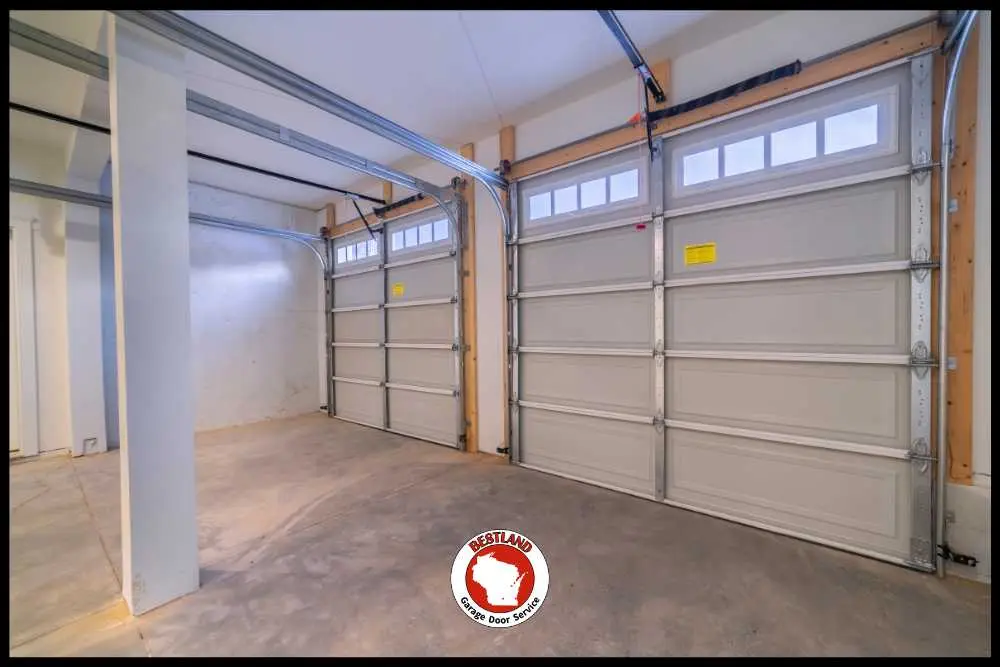
Garage Door Opener Sensitivity Problems Homeowners Notice Most
Sensitivity issues can appear in several different ways. Sometimes the symptoms are minor, while other times the garage door becomes difficult to use consistently.
Common Signs of Sensitivity Problems
- Door reverses before closing: One of the most common signs is a door that begins closing but suddenly reverses before reaching the floor.
- Door stops halfway: Improper sensitivity settings can cause the opener to detect resistance even when the track is clear.
- Jerky movement during operation: The opener may struggle to maintain smooth operation when settings are not properly balanced.
- Opener strains or hums loudly: Extra strain on the motor can occur when sensitivity settings no longer match the door’s weight and resistance.
- Intermittent operation: Some doors work normally one day and act up the next as temperatures fluctuate.
Improper settings may lead to unnecessary calls for garage door repair.

Why Warmer Weather Affects Garage Door Openers
Garage door systems constantly expand and contract with changing temperatures. During Wisconsin winters, metal components tighten, and lubrication thickens. Once spring arrives, those same parts begin expanding again.
This natural movement changes how the opener senses resistance during operation. Springs may place different tension on the door, rollers may move differently along the tracks, and slight shifts in alignment can affect overall balance.
Even humidity plays a role. Moisture in the air can impact wooden doors, weather seals, and certain moving components. These small changes add up and may cause garage door opener sensitivity settings to become inaccurate.
Homeowners researching garage door openers in Appleton often ask about seasonal adjustments.
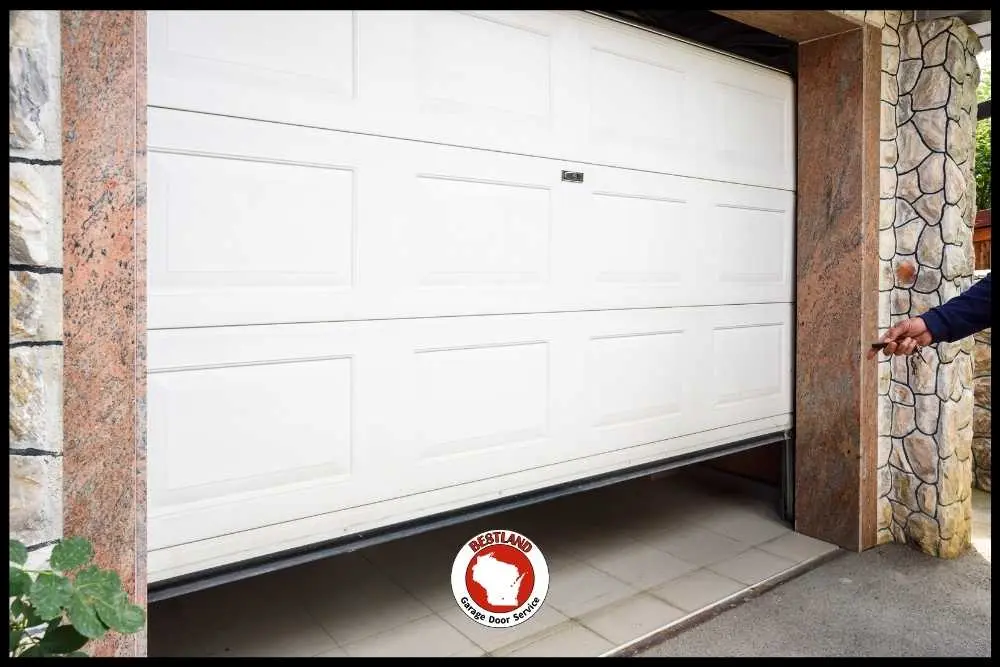
Garage Door Opener Adjustment Helps Prevent Bigger Problems
Sensitivity settings exist to protect both the garage door system and the people using it. If the settings are too sensitive, the door may reverse constantly. If sensitivity is too low, the opener may continue forcing the door closed even when resistance is present.
Components Often Affected by Sensitivity Issues
- Springs: Seasonal changes in tension can alter how much force the opener needs to move the door.
- Rollers: Worn rollers create additional friction, changing how the opener senses resistance.
- Tracks: Minor alignment shifts can increase drag during operation.
- Weather seals: Expanding seals may exert greater pressure against the floor in warmer weather.
- Openers and sensors: Sensors and motors may need recalibration to maintain smooth operation.
Fine-tuning is commonly handled during a garage door tune-up.
Garage Door Safety Inspection Reveals Hidden Opener Issues
Many homeowners assume opener problems are strictly electrical, but sensitivity issues are often tied to the full garage door system. A professional inspection helps identify the true source of the problem before unnecessary wear occurs.
During an inspection, technicians evaluate spring tension, track alignment, opener force settings, rollers, cables, and safety sensors. Even a slightly unbalanced door can force the opener to work harder than necessary.
Sensitivity issues are often uncovered during a garage door safety inspection.
Addressing these issues early helps prevent motor strain, opener failure, and damage to other components later in the season.
Garage Door Opener Repair and Maintenance Tips for Spring
Routine maintenance helps garage door openers perform more consistently as temperatures rise. Small adjustments now can prevent larger repairs during the summer.
Spring Maintenance Recommendations
- Inspect rollers and tracks: Dirt buildup and worn rollers create resistance that affects opener performance.
- Lubricate moving components: Proper lubrication reduces friction, helping the opener move the door smoothly.
- Check weather seals: Expanding seals can place additional pressure on the bottom of the door.
- Test door balance: An unbalanced garage door forces the opener motor to work harder than necessary.
- Schedule a professional inspection: A trained technician can properly adjust the opener’s sensitivity and evaluate the entire system.
Many homeowners in Green Bay and Appleton combine opener adjustments with routine seasonal maintenance to keep everything operating safely and efficiently.
When to Contact Bestland for Garage Door Opener Adjustment
Some minor opener issues may seem harmless at first, but repeated reversing, loud operation, or inconsistent movement usually indicate that something needs attention. Waiting too long can place additional strain on the opener motor and increase wear throughout the system.
Opener sensitivity issues often show up as seasons change. If your door stops short or reverses unexpectedly, book a tune-up to keep your opener working smoothly.
Bestland Garage Door continues helping homeowners throughout Green Bay, Appleton, and surrounding Northeast Wisconsin communities with opener adjustments, inspections, repairs, and maintenance services. Whether the issue involves sensors, springs, tracks, or sensitivity settings, the team can diagnose the problem and restore reliable operation.
Learn more about the company on the Bestland Garage Door website or explore the about page to meet the local team serving Northeast Wisconsin homeowners.
FAQs
This usually happens when the opener sensitivity is too high or the system detects resistance during closing. Track alignment, spring tension, or sensor issues may also contribute.
Yes. Temperature changes cause garage door components to expand and shift slightly, which can affect balance and opener sensitivity.
Basic adjustments may seem simple, but incorrect settings can create safety risks or strain the opener system. Professional adjustment is usually recommended.
Most homeowners benefit from yearly inspections and adjustments, especially during seasonal transitions in Wisconsin.
Broken springs, worn rollers, bent tracks, sensor alignment problems, and door imbalance can all create symptoms similar to sensitivity issues.
Related Posts


See What Our Customers Have to Say About Our Service
See What Our Customers Have to Say About Our Service
REQUEST A CALLBACK
Need Repair Service or New Door?
Complete the form, and one of our team members will promptly reach out to schedule your appointment.