

Table of Contents
Top 5 Garage Door Repairs With Frequent Use
Garage doors work hard every day. For many homes, the garage door is the main entrance, opening and closing several times before the day is done. It may be used when someone leaves for work, when kids come home from school, when groceries are brought inside, when pets go in and out, and when tools, bikes, or lawn equipment are moved in and out of the garage. Over time, that repeated movement can put strain on springs, rollers, cables, tracks, openers, and safety features.
A garage door is one of the largest moving systems in a home, and each part depends on the rest of the system working correctly. When one part starts to wear down, the entire door can begin to operate differently. A worn spring can make the opener work harder. A rough roller can create track strain. Loose hardware can make the door shake, which can then affect hinges, brackets, and panels. These issues often start small, but frequent use can make them worse faster.
Bestland Garage Door Service helps homeowners identify problems early so small issues do not turn into bigger repairs. If your garage door is getting louder, moving unevenly, shaking, reversing, or struggling to open, frequent use may already be taking a toll. A garage door tune up or garage door safety inspection can help you understand what is wearing out, what needs adjustment, and what should be repaired before the door stops working altogether.
The key is knowing which problems are most common in high-use homes. When you know what to watch for, you can call for service before a worn part becomes a safety issue or emergency repair.
Springs That Wear Down Over Time
Garage door springs do the heavy lifting. Every time the door opens and closes, the springs are under tension. Their job is to counterbalance the weight of the garage door so the opener can move it smoothly and safely. After enough cycles, even a properly installed spring can begin to weaken. This is one of the most common garage door repairs for homes where the door is used many times per day.
Springs are often rated by cycles. One cycle is one full open and close. A home that uses the garage door two times per day will use spring cycles much more slowly than a household that uses the door eight, ten, or twelve times per day. This is why high-cycle households may experience spring wear sooner, even when the door and opener seem to be in good condition.
Loud popping or snapping sounds: A sudden noise can point to spring tension issues or a spring that has failed. Many homeowners describe the sound of a broken spring as a loud bang coming from the garage. If you hear that sound and the door will not open correctly afterward, stop using the system and schedule service.
Door feels heavy: If the opener struggles or the door will not stay open manually, the springs may no longer be supporting the weight correctly. This can cause the opener to strain, the door to move slowly, or the system to stop before the door fully opens.
Visible gaps or stretching: A broken torsion spring often shows a visible separation in the coil. Extension springs may look stretched, loose, or uneven. If anything looks different around the spring system, do not try to adjust it yourself.
Spring repair should always be handled by a professional. Garage door springs are under high tension, and the wrong adjustment can be dangerous. Bestland Garage Door Service can inspect the spring system, check the door balance, and recommend the right repair. Replacing worn springs before they create opener strain can also help protect the garage door opener lifespan.
Rollers, Tracks, and Cables Under Daily Strain
Frequent use can also affect the parts that guide and support the door. These pieces work together, so one worn part can create stress elsewhere in the system. Rollers, tracks, and cables are especially important because they help the door move in a controlled path. When they are worn, dirty, loose, bent, or misaligned, the door may become noisy, jerky, crooked, or difficult to operate.
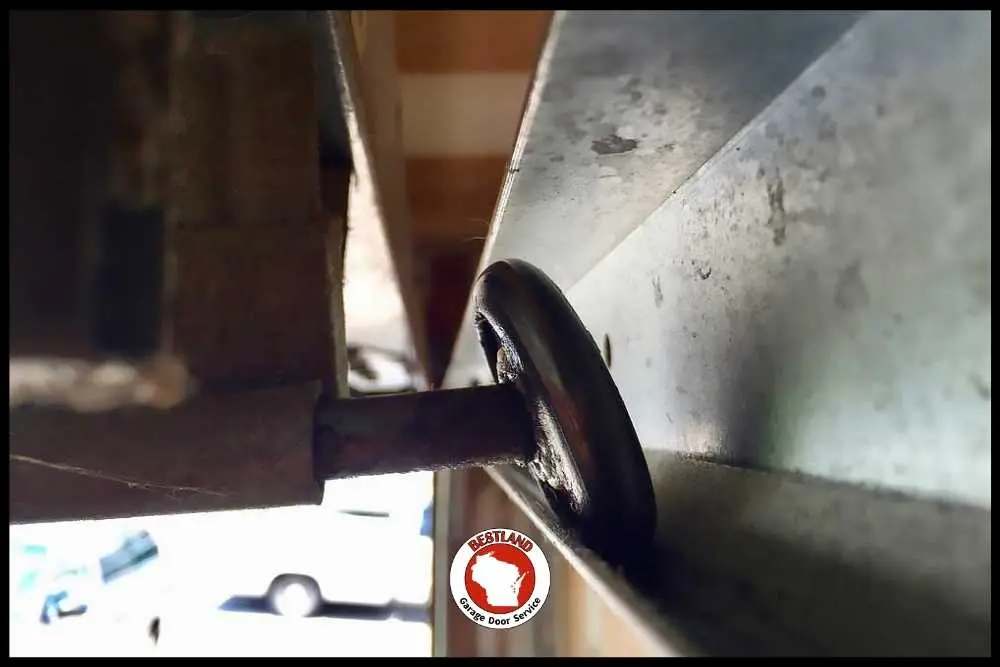
Worn rollers: Rollers can crack, loosen, wear flat, or stop moving smoothly, which can make the door noisy or jerky. A garage door should not scrape, grind, or shake as it moves. If it does, worn rollers may be part of the problem. In homes with frequent garage door use, rollers can wear down faster because they travel through the tracks during every cycle.
Bent or misaligned tracks: Tracks can shift from vibration, impact, or daily use, causing the door to rub or bind. If the tracks are not aligned properly, the rollers may not move smoothly. This can put extra pressure on the door sections, hinges, brackets, cables, and opener. A door that shakes, stops, or appears uneven may need track adjustment.
Frayed cables: Cables help control the door’s movement and should be inspected if you see fraying, rust, slack, or uneven movement. Cables work with the spring system, so they are not something homeowners should try to repair on their own. A damaged cable can make the door unsafe, especially if the door is heavy or no longer balanced.
These issues may seem separate, but they are connected. If rollers are worn, the tracks may take extra stress. If the tracks are misaligned, the cables may not guide the door evenly. If the cables are damaged, the door may lift unevenly and strain the opener. A garage door safety inspection can help identify whether the problem is isolated or part of a larger wear pattern.
For high-use homes in Appleton, Green Bay, and surrounding areas, preventive maintenance can make a big difference. A garage door tune up can include checking roller condition, tightening hardware, inspecting cables, reviewing track alignment, and making sure the door moves smoothly from open to close.
Opener Strain and Safety Feature Problems
A garage door opener is not designed to force a damaged or unbalanced door to move. The opener should guide the door through its movement, but it should not be responsible for overcoming worn springs, rough rollers, bent tracks, or a door that is too heavy. If the door itself has worn parts, the opener can take on extra stress.
Slow response: Delays when pressing the wall button or remote may point to opener strain, sensor issues, electrical problems, or door movement problems. If the opener is slow only because the door is heavy or dragging, replacing the opener may not solve the real issue.
Reversing unexpectedly: Photo eye sensors, force settings, track issues, or resistance in the door can cause the door to reverse. This can be frustrating for homeowners, but it is also an important safety warning. The system may be detecting something in the way, or it may be reacting to a door that is not moving correctly.
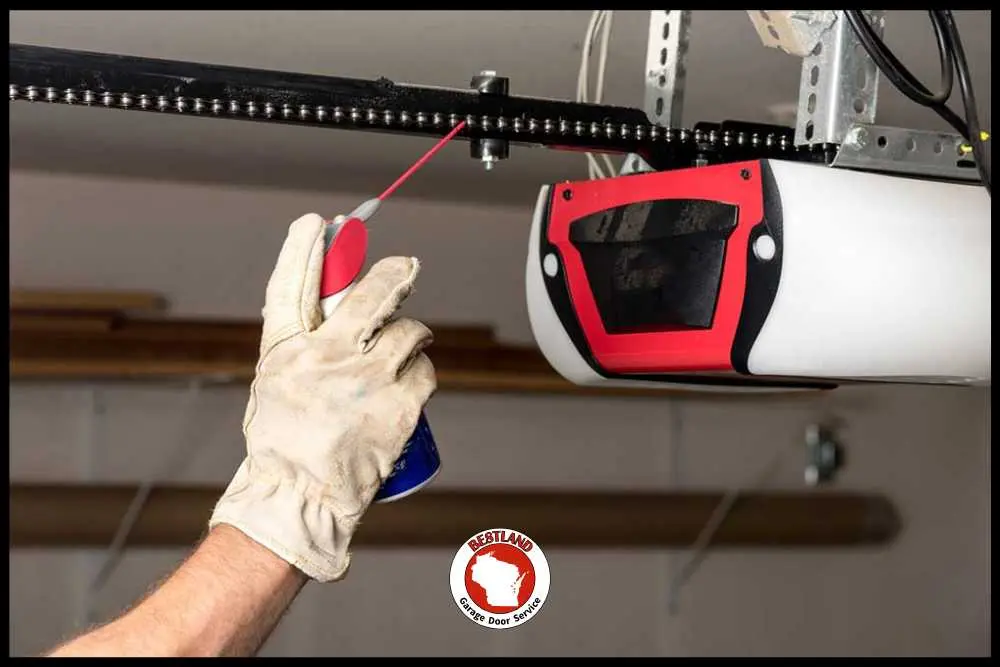
Grinding or humming: These sounds can point to opener gear wear, motor strain, or a door that is too heavy for the opener to move safely. If the opener hums but the door does not move, or if it sounds louder than usual, the system should be checked before continued use.
Frequent use can shorten garage door opener lifespan when the door is not properly maintained. The opener may be asked to work through resistance every day, which can wear internal parts faster. This is especially common when spring tension is off, rollers are worn, tracks are misaligned, or hardware is loose.
Safety feature problems are also common in busy garages. Photo eye sensors can be bumped by trash cans, bikes, sports equipment, tools, or storage bins. Dust, cobwebs, moisture, or small alignment changes can also interfere with sensor function. If the door will not close, closes and reverses, or the opener lights flash, the sensors may need attention.
Bestland Garage Door Service can inspect the opener, test safety sensors, check the door balance, review opener force settings, and look for signs of strain. Before assuming the opener needs replacement, it is important to confirm whether the door itself is causing the opener to work too hard.
Hinges, Brackets, and Hardware That Loosen
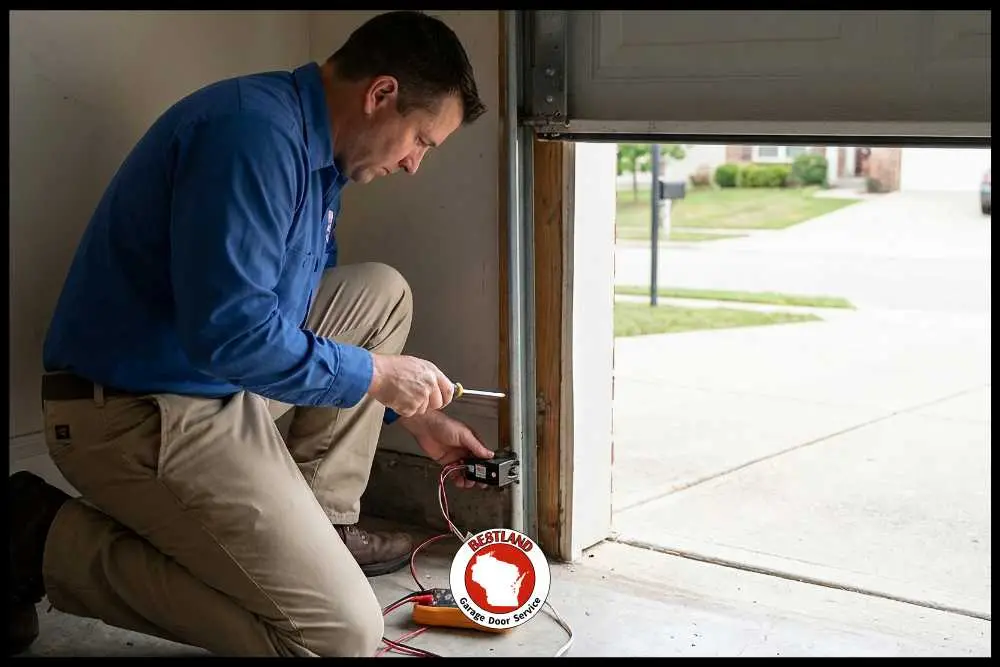
The hinges, brackets, bolts, fasteners, and other hardware on a garage door may not get as much attention as springs or openers, but they are essential to smooth operation. Every time the door moves, these parts experience vibration and movement. With frequent use, hardware can loosen or wear down.
Loose hinges can create rattling, popping, or uneven panel movement. If the hinges are worn or loose, the door sections may not move together as smoothly as they should. This can make the door louder and place extra stress on the rollers and tracks.
Brackets and fasteners can also loosen over time. When this happens, the door may shake more than normal. A little vibration can become a bigger problem if it continues day after day. The more the door moves, the more strain gets transferred to the surrounding parts.
Panel alignment can also be affected by worn hardware. If the sections do not sit properly, the door may not close evenly. You may notice gaps, rubbing, squeaking, or sections that look slightly out of line. These are signs that the door should be inspected.
A garage door tune up is often the best way to catch hardware issues early. During service, a technician can tighten appropriate hardware, inspect hinges and brackets, check rollers, review door movement, and look for signs of wear. This helps keep the system stable, quiet, and safer to use.
For homeowners who use the garage as a main entrance, this kind of maintenance is important. The door may still work while hardware is loose, but that does not mean the system is operating correctly. Addressing these issues early can help prevent larger garage door repair needs later.
When to Call Bestland Garage Door Service
If your garage door is used every day, routine inspection matters. A tune up can help catch worn parts before they fail, especially if the door is making new sounds or moving differently. Many garage door problems start with small warning signs. The door may get louder. It may shake a little more than usual. It may move slower, reverse unexpectedly, or feel heavier when lifted manually.
You should call for service if your garage door is crooked, stuck, unusually loud, slow to respond, reversing unexpectedly, or putting visible strain on the opener. You should also schedule a garage door safety inspection if you see frayed cables, broken springs, bent tracks, loose hardware, worn rollers, or gaps around the door.
Preventive service is especially helpful for homes where the garage door is used multiple times per day. Heavy use can accelerate wear, and a worn part can create a chain reaction throughout the system. Catching the issue early can help reduce repair costs, protect the opener, and keep the door dependable.
Bestland Garage Door Service helps homeowners in Appleton, Green Bay, and surrounding communities with garage door repair, safety inspections, opener service, spring service, roller repair, track adjustments, cable inspections, and routine maintenance. When your garage door gets used constantly, the best repair is often the one that happens before the door stops working altogether.
FAQ
What garage door repairs are most common with frequent use?
The most common repairs include broken springs, worn rollers, frayed cables, track adjustments, opener repairs, loose hardware, and sensor issues. These parts are involved every time the door opens and closes, so high-use homes often see wear faster than homes where the garage door is used less often.
How often should a frequently used garage door be serviced?
A garage door that opens and closes multiple times per day should usually be inspected at least once a year. If the door is the main entrance to the home, used by multiple drivers, or already making noise, a garage door tune up may be needed sooner. Regular inspections help catch wear before it becomes a larger repair.
Can frequent use damage a garage door opener?
Yes. If springs, rollers, or tracks are worn, the opener may work harder than it should, which can shorten its lifespan. The opener is meant to move a properly balanced door. If the door is heavy, dragging, crooked, or resisting movement, the opener can become strained.
Should I keep using my garage door if it sounds loud?
A loud garage door may be warning you that parts are wearing down. Squeaking, grinding, rattling, popping, or shaking can point to worn rollers, loose hardware, dry moving parts, track issues, or opener strain. It is best to schedule service before the issue becomes a larger repair.
How do I know if my garage door springs are wearing out?
Warning signs include a door that feels heavy, opens only partway, closes too quickly, looks crooked, or causes the opener to strain. You may also notice a visible gap in a torsion spring. Spring issues should be handled by a professional because the parts are under high tension.
Why does my garage door reverse when I try to close it?
A garage door may reverse because of misaligned sensors, something blocking the photo eyes, opener force setting issues, track problems, or resistance in the door system. If clearing the area around the sensors does not solve the issue, schedule service to inspect the door and opener.
When should I call Bestland Garage Door Service?
Call Bestland Garage Door Service if your garage door is loud, crooked, stuck, slow, reversing unexpectedly, or showing signs of worn springs, rollers, cables, tracks, hardware, or opener strain. If the door is used constantly, routine maintenance can help keep it safe and dependable.
Related Posts

See What Our Customers Have to Say About Our Service
See What Our Customers Have to Say About Our Service
REQUEST A CALLBACK
Need Repair Service or New Door?
Complete the form, and one of our team members will promptly reach out to schedule your appointment.